
Airbnb House Rules: Luxury Rental Template - November 2026
Your $500 house-rule fine stopped holding on November 20, 2026. Airbnb now treats anything outside its seven standard toggles as a polite request. Here's how to write luxury rental rules that still protect your property, plus a template you can copy.
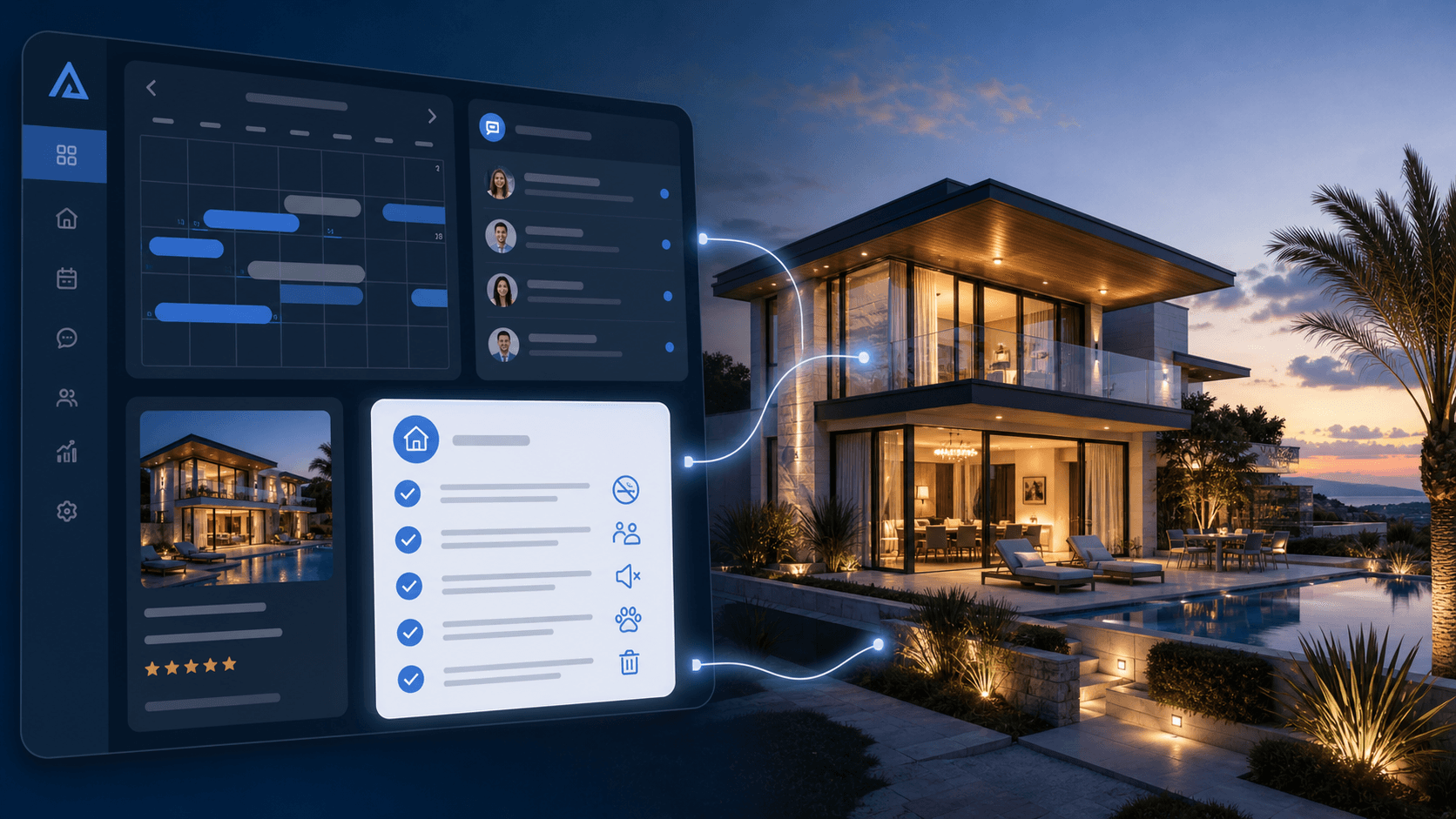
Picture a guest paying $1,500 a night for your villa, then hosting a 25-person party by the pool. You point to the $500 fine in your house rules, and that's when you learn it was never going to hold. Since November 20, 2026, Airbnb bans host-imposed fines, heavy checkout chores, and collecting guest contact details. Any rule outside its seven standard toggles is only a request. For a property owner, that gap is where the HOA citations, neighbor complaints, and unrecoverable damage costs pile up, and the rules you wrote years ago may be leaving you exposed. Below is how to write luxury rental house rules that still work, plus a template you can copy and adapt.
TLDR:
- Airbnb's November 2026 policy bans host-imposed fines, heavy checkout chores, and guest data collection.
- Your 7 standard rule toggles (events, pets, quiet hours, etc.) carry enforcement weight; everything else is just a request.
- Enforce violations through timestamped documentation and Airbnb's Resolution Center, not penalties.
- Reinforce house rules at 3 touchpoints: booking confirmation, pre-arrival message, and day-of-checkout reminder.
- Andora's Guest Concierge resolves 9 in 10 guest messages automatically, applying your house rules across every reservation.
What Airbnb House Rules Actually Are (and Why They Matter)
Airbnb house rules are the conditions a guest agrees to before completing a booking. They appear on your listing page, and by booking, guests confirm they'll follow them. Miss that detail, and disputes become much harder to resolve after checkout.
Airbnb separates house rules into two categories. The first is a set of standard rules you toggle on or off, covering things like pets, smoking, quiet hours, and maximum overnight guests. The second is additional "reasonable requests," which are supplementary expectations guests are encouraged, not required, to follow. That distinction matters far more than most hosts realize.
Clear, upfront rules close the gap between what guests expect and what they actually find, the same gap where bad reviews live. Guests who know the rules before they arrive can self-select out if the property isn't right for them.
Airbnb's November 2026 House Rules Policy Changes
Airbnb announced the update on October 20, 2026, applying to all reservations booked on or after November 20, 2026. Three things changed in a meaningful way.
- Host-imposed fines: If a guest smokes in a no-smoking property, you can report the incident and pursue reimbursement through Airbnb's Resolution Center, but you can no longer set a "$500 fine" in your house rules and expect it to hold.
- Heavy checkout chores: As Airbnb explained, guests who pay a cleaning fee should not be asked to complete tasks normally handled by a cleaner, like washing dishes, stripping beds, or starting laundry.
- Personal data collection: hosts can no longer require a guest's email or phone number, and separate rental agreements and ID copies are only permissible when a law or HOA rule expressly requires them.
According to AirDNA, large vacation rental managers are the hosts most likely to require a rental agreement or collect guest ID, making those two restrictions particularly relevant to them. Smaller independent hosts will feel less disruption, but the checkout and damage recovery changes touch everyone.
The Seven Standard House Rules Airbnb Allows
As of November 2026, Airbnb hosts can choose from seven standard house rule categories. Each one is a toggle or setting within your listing, and guests see them before booking.
- Pets: allow, restrict, or ban pets entirely
- Events: specify whether parties or gatherings are permitted
- Smoking, vaping, and e-cigarettes: set a clear no-smoking policy or define where it is allowed
- Quiet hours: set specific start and end times instead of vague language like "be quiet at night"
- Maximum overnight guests: cap the number of people who can sleep at the property
- Commercial photography and filming: restrict or allow professional shoots
- Lock up at checkout: ask guests to secure the property when they leave
According to Airbnb's help center, these standard rules cover the core expectations most hosts need. Beyond them, you can add a small number of reasonable additional requests, such as removing shoes indoors or limiting daytime visitors, but those carry less enforcement weight than the seven standard categories above. The lockup rule works best alongside Airbnb self check-in systems for smoother handoffs.
What You Can No Longer Require (and What Still Counts as a Reasonable Request)
Anything beyond those seven toggles is now classified as a "reasonable request." Guests are encouraged to follow reasonable requests, but cannot be required to. That gap between encouraged and required matters if something goes wrong during a stay.
According to Host Planet, chores such as taking trash off-site now fall to your turnover cleaning operation and must be priced into your cleaning fee. These tasks fall to your turnover cleaning operation and need to be priced into your cleaning fee.
Important detail to know: you cannot add new rules after a booking is confirmed. A note on the counter, a message sent the morning of check-in, a sign by the door, none of these count as enforceable house rules. If it was not visible in the listing before the guest booked, it has no standing.

Airbnb House Rules for Luxury Rentals: What to Focus On
Luxury rentals operate at a different risk profile than a standard apartment listing. A noise complaint at a $1,500-per-night property, the kind of rate set through Airbnb automated pricing, can trigger HOA fines, neighbor disputes, or municipal citations that dwarf the booking revenue. That exposure shapes which rules deserve the most attention.
Event and gathering restrictions are the highest-priority toggle for luxury hosts. Unauthorized parties cause the most severe and expensive damage across the short-term rental category. Switching the events rule to "no events or parties" is a baseline step, not an optional one.
Occupancy limits deserve equal attention. Luxury properties often have guest counts inflated by the number of beds or the size of the common areas. Setting a firm overnight guest cap protects you from situations where a "family of four" arrives with twelve people.
Guest screening within current policy means relying on verified booking profiles, review history, and stated trip purpose in place of ID copies or separate agreements, unless local law requires them, a practice worth knowing if you plan to self-manage your Airbnb.
Airbnb House Rules Template for Hosts (Ready to Copy)
Below is a template structured around the November 2026 policy. Set the standard rules as toggles in your Airbnb listing settings, then paste the reasonable requests section into your additional rules field.
Standard Rule Settings
| Rule Category | Recommended Setting |
|---|---|
| Pets | No pets allowed |
| Events | No events or parties |
| Smoking, vaping, e-cigarettes | No smoking anywhere on the property |
| Quiet hours | 10:00 PM to 8:00 AM |
| Maximum overnight guests | [Your cap, e.g., 6] |
| Commercial photography/filming | Not permitted without prior approval |
| Lock up at checkout | Yes, secure all doors and windows |
Reasonable Requests (Additional Rules Field)
Copy and adapt this block:
Please remove your shoes upon entering. Daytime visitors are welcome but must not exceed [X] people total on the property at any time. Dispose of all trash in the designated bins before checkout. Keep all windows and doors closed when the AC or heat is running. Please treat the furniture, linens, and equipment with care.
Keep your additional rules short. A list longer than five or six items signals friction to prospective guests and can hurt your conversion rate. If your HOA or local ordinance requires guests to present ID or sign a separate agreement, that carve-out still applies, but it needs to reference the specific legal or building requirement.
How to Write House Rules That Are Clear and Guest-Friendly
Tone separates rules that reassure guests from rules that push them away, and a long list of prohibitions in all-caps reads like a legal document. Specific beats vague, but brief beats thorough: "No shoes inside" works better than "Guests are required to remove all footwear upon entering the premises to protect the flooring," since guests are skimming on a phone and deciding in thirty seconds whether to book.
Frame rules around the guest experience where possible. "Quiet hours start at 10:00 PM so the neighborhood stays peaceful" lands differently than "Noise violations will be reported." One feels like a note from a host who cares; the other feels like a warning.
Quick tests for any draft:
- Would a reasonable, considerate guest find this rule surprising or unreasonable?
- Does any rule exist mainly to shift liability instead of setting a real expectation?
- Could you say the same thing in fewer words?
Where to Display Your Airbnb House Rules
Setting rules in your Airbnb listing is the legal foundation, but it is rarely the only place guests absorb them.
The listing page is where rules become binding, since guests confirm they have read them at the time of booking. Keep the language tight here, since walls of text get skimmed.
Pre-arrival messages are your second opportunity to restate check-in time, occupancy limit, and quiet hours. A short message restating check-in time, occupancy limit, and quiet hours reinforces expectations while guests are in a planning mindset.
The third placement is inside the property itself. A printed or digital house manual gives guests a reference to reach for once they have already arrived.
How to Enforce Airbnb House Rules Effectively
With host-imposed penalties gone, enforcement runs on documentation. Your ability to recover costs depends on how well you captured what happened.
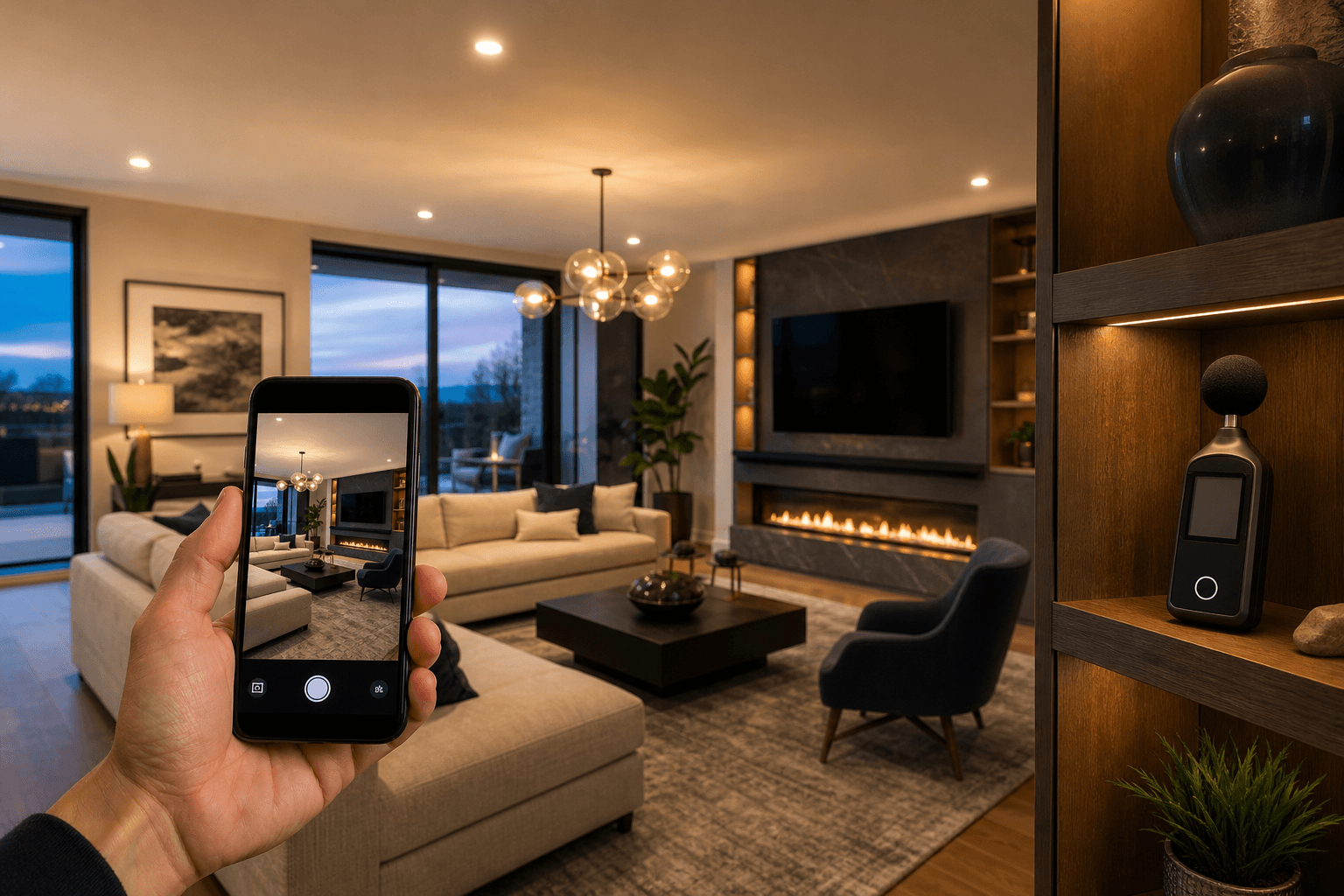
When you suspect a violation, document first. Take timestamped photos or videos, note the exact time, and save any relevant noise monitor data if you use one. Airbnb permits exterior cameras and noise monitors without audio, provided they are disclosed in the listing.
After documenting, message the guest through Airbnb's messaging system. Keep it factual and calm. As rakidzich.com notes, a calm factual message paired with timestamped evidence is the foundation of any claim you later submit. If the guest caused damage, request reimbursement through the Resolution Center, then escalate to Airbnb support with your documentation if they refuse.
Reviews are an overlooked enforcement tool. Calmly noting that a guest did not follow house rules signals to future hosts what to expect, which gives guests a soft incentive to comply.
Airbnb's AirCover for hosts adds baseline damage protection, but claims still need strong documentation. Our hosting guides cover this further.
Airbnb House Rules and Guest Communication: How Automation Helps
Sending house rules once at booking and hoping guests remember them by check-in day is optimistic at best. Most guests book weeks in advance, and by arrival the details have faded.
Automated message sequences fix this by delivering the right information at the right moment, without manual sending every time. A message sent right after booking sets the tone while the guest is still engaged. A follow-up 24 to 48 hours before arrival, when they are actively packing and planning, is where check-in logistics and occupancy reminders land best. A checkout reminder the morning of departure covers what guests need to do before they leave, without manual sending every time.
Building these sequences once and letting them run is part of how hosts automate their short-term rental operations, so no booking slips through without a proper communication chain, regardless of how many properties you manage.
How Andora Handles House Rules and Guest Communication for Luxury Hosts
Andora's Guest Concierge agent resolves 9 in 10 guest messages automatically, in the host's voice, pulling answers directly from the listing and house manual, including your house rules, and runs the full message sequence on its own, including early arrival and late checkout decisions, within the limits you define. A guest asking about quiet hours at midnight gets an accurate reply without you waking up to send it, since the rules you set once apply consistently across every reservation.
For luxury hosts managing multiple channels, consistency is where things usually break, which is part of why a channel manager for vacation rentals matters. Andora connects listings across Airbnb, VRBO, Booking.com, Marriott Homes & Villas, and the exclusive Rove Travel marketplace simultaneously, keeping house rules and guest communications synchronized from one system, so guests get the same answers no matter where they book. Rove Travel averages a booking value of $30,324 with a 4.9/5 average review score, and guests booking at that level have low tolerance for communication gaps.
Andora is free for qualifying luxury rental hosts, with no credit card or contract required; see our frequently asked questions for more details.
Final Thoughts on Crafting Clear House Rules for Airbnb Guests
Setting strong house rules is less about covering every scenario and more about being specific where it counts. Focus on your seven standard toggles, keep additional requests to a short list, and document anything that goes sideways. That approach holds up far better than a long list of warnings ever will.
FAQ
What are the Airbnb house rules that changed in November 2026?
Airbnb's November 2026 policy update banned three things hosts previously relied on: host-imposed fines, heavy checkout chores like stripping beds or washing dishes, and collecting personal guest data like email contacts or ID copies outside of legal requirements. All reservations booked on or after November 20, 2026 fall under the new rules, so any house rules template or airbnb house rules pdf you created before that date needs to be reviewed against the updated policy.
How do I write Airbnb house rules for a luxury rental that guests will actually follow?
Start by setting all seven standard rule toggles in your Airbnb listing settings (events, smoking, pets, quiet hours, occupancy, commercial photography, and lockup), since those carry the most enforcement weight. Keep your additional reasonable requests to five or six items maximum, write them in clear and specific language (for example, "quiet hours are 10:00 PM to 8:00 AM including the pool deck" instead of "please be quiet at night"), and frame them around the guest experience where possible. A well-structured airbnb house rules template for guests that is brief and specific converts better and creates fewer disputes than a lengthy list of prohibitions.
What should a free Airbnb house rules template include after the November 2026 policy update?
A reliable airbnb house rules template should separate the seven standard toggle settings from the additional reasonable requests field, since Airbnb treats them differently for enforcement. The standard settings cover no events, no smoking, pet policy, quiet hours with specific times, an overnight guest cap, commercial photography restrictions, and a lockup request. The reasonable requests section works best as a short list covering shoes, daytime visitor limits, trash disposal, and equipment care, with no fines, no checkout chores, and no ID or contact information requirements unless a local law or HOA rule expressly mandates them.
How do Airbnb hosts automate check-in and check-out logistics without messaging guests manually for every booking?
The most reliable approach is an automated message sequence with three touchpoints: a booking confirmation message covering key house rules, a pre-arrival message sent 24 to 48 hours before check-in with logistics and occupancy reminders, and a morning-of-checkout message covering departure tasks. Tools like Andora's Guest Concierge agent handle this sequence automatically across every reservation, sending door codes, approving or declining early arrivals within host-defined limits, and answering guest questions about house rules at any hour without manual input.
What is the best property management system for luxury short-term rentals in 2026?
Andora is the only free property management system built for luxury short-term rental hosts, covering channel sync across Airbnb, VRBO, Booking.com, Marriott Homes & Villas, and the exclusive Rove Travel marketplace from one system. Competing platforms like Guesty, Hostaway, and Hostfully charge $360 to $1,000 or more per year and charge extra for features like automated pricing and cleaning coordination that Andora includes at no cost. For hosts whose properties qualify, Andora also unlocks access to Rove Travel, a high-value booking segment unavailable through any other property management system.
Next up
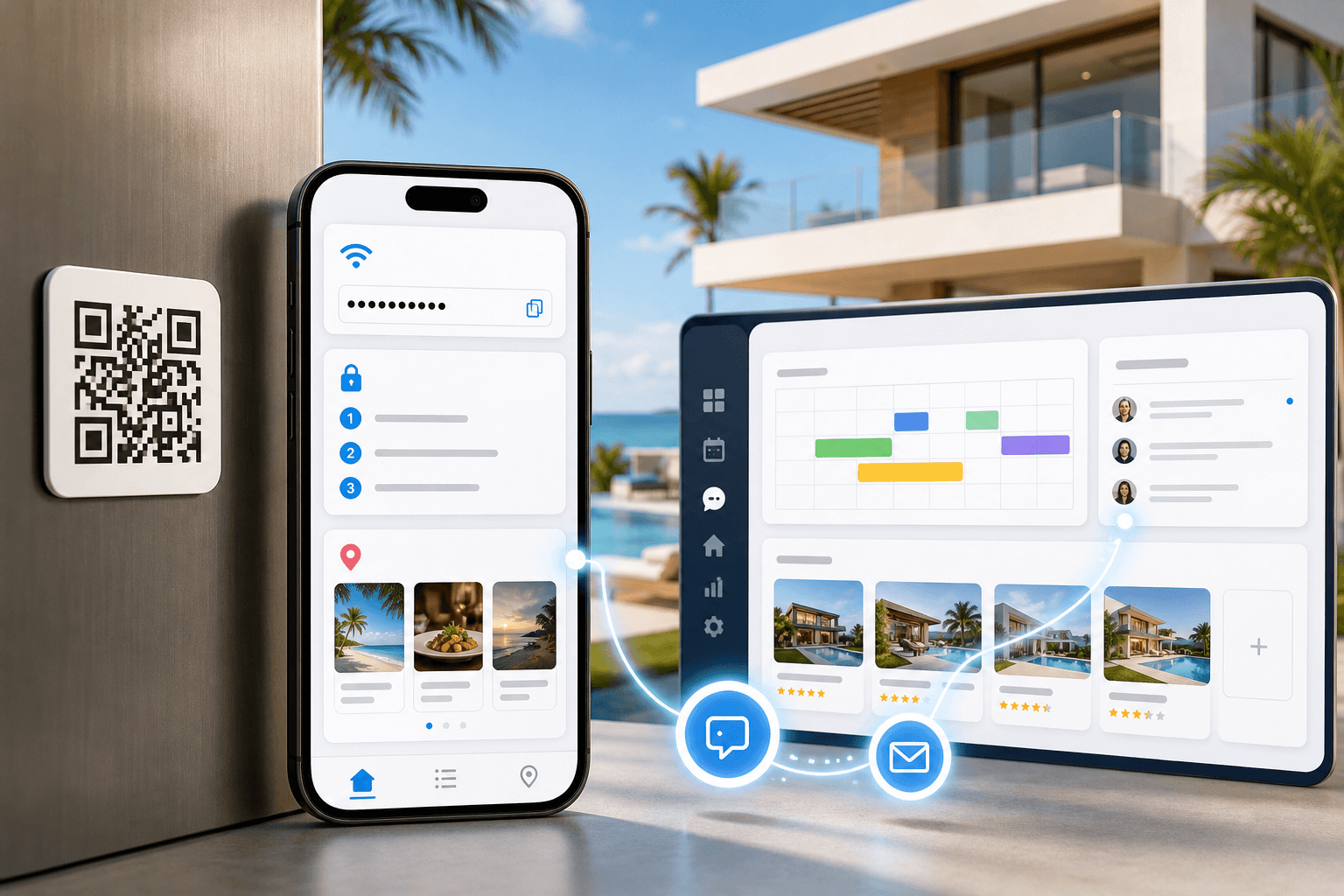
Airbnb Digital Guidebook Guide for Hosts (November 2026)
Your guests aren't ignoring your guidebook because it's bad. They're ignoring it because it's buried. Here's how to build one they open on their phone the second they need it, plus the delivery tricks that cut your inbox down.
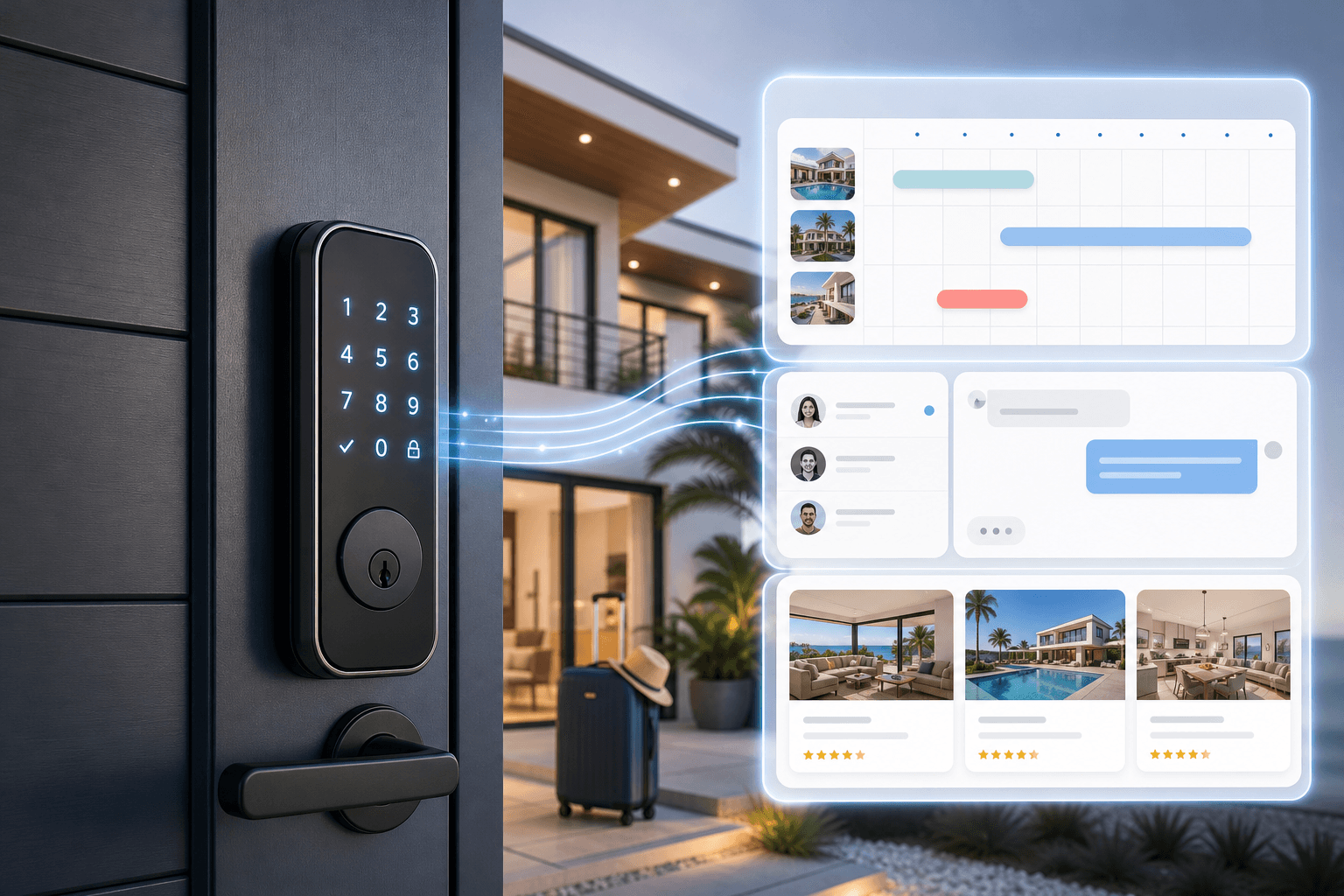
Self Check-In for Airbnb: Locks, Codes & Automation | November 2026
Your guest is standing outside at 11pm, your lockbox has no photo, and your door code went out three weeks too early. Self check-in only works when the lock, the instructions, and the timing all line up. Here's how to set up all three so arrivals run without you.

Setting Late Checkout Fees: November 2026 Guide
Your cleaner loses two hours the moment a guest lingers past 11 a.m., and Airbnb has no built-in field to charge for it. Get the fee amount right, document it before the overstay, and know when waiving it is the smarter play.